This week is all about the preliminary research on not just what my podcast episode will be about, but all the nitty gritty information about podcasting itself. What goes into it? Who does it best? What are the best practices? So, let’s take a look at what I uncovered this week.
Reading and Writing
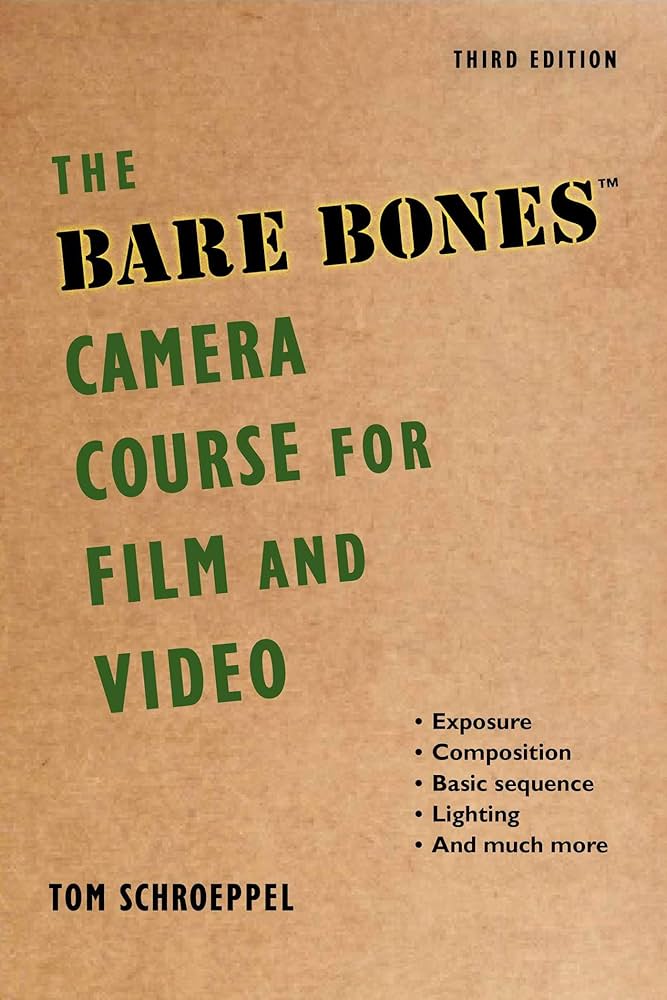
The Bare Bones Camera Course for Film and Video – Chapter 8
Chapter 8 is all about sound, exactly the thing we need to create a successful podcast. Explaining that sound enhances storytelling and therefore; good audio can elevate a project, while poor audio can distract from it.
The chapter covers various types of sound, including dialogue, sound effects, and music, as well as the science behind the sound waves that travel to create what you hear in the end. Different microphone types are also discussed, such as dynamic microphones for loud sounds, condenser microphones for more detailed audio, lavalier microphones for discreet dialogue capture, and shotgun microphones for focused sound.
Recording techniques are emphasized, particularly the importance of microphone placement, clarity, and considering your audience.
Planning for a Podcast
During the rest of my research, I learned a good deal about the best practices when it comes to podcasting. Such as writing scripts and invisible scripts. Based on what I learned, I will likely use an invisible when it comes time to record my own podcast. Essentially, you write it as you would talk and in key points, so that it sounds so natural, that your audience thinks you did it all on the spot.
Then came along the tool, tips, and tricks for planning and creating my podcast. using hooks, taglines, and smart formatting will get me where I need to go alongside what equipment and programs are best to use to keep everything professional, organized, and on track.
As lastly, presentation skills. Presenting for a podcast is much different than presenting in a room full of people. Everything needs to flow and come naturally, you can’t just sound like you’re reading off of a script or a slide. Be yourself, remember to breathe and slow down (I have to remember this one, big time) and know that good things take time. Don’t stress about the “what if’s” when it comes to recording. There always the chance to re-record and fix whatever you don’t like.
Research to Inform
The following are three podcasts that I think have great production quality while simultaneously being engaging for audiences.
My Favorite Murder
The podcast My Favorite Murder is a standout for its fun, engaging style that keeps you hooked on every episode. Hosts Karen and Georgia tackle true crime stories in a way that feels like you’re chatting with friends which balances the serious side of each case. Something I as a listener appreciate and stayed engaged from. Additionally, their production is clean and clear which makes it easier to stay during every 1.5 long episode.
The Sleeping At Last Podcast
The Sleeping At Last Podcast is a different approach to listening to music. Ryan, aka Sleeping At Last, introduces his new song and goes through his creative process on bringing it to live. Incorporating behind the scene recordings and information which make you feel like you are part of the process.
Crime Junkie
Crime Junkie takes a more serious approach at the true crime angle, presenting well researched cases every week with the occasional short story or guest host. Their content is well researched and organized, helping you get the facts with no fluff.
Create
Now onto the planning! Below is a brief outline for what my podcast will become as I fully create it next week!
 Madison Vale
Leave a comment