
Through a blend of psychology and economics, we can better understand why people behave the way they do, especially when making decisions. In the world of design, these principles enable designers and creators to guide user behavior, allowing interactions to be intuitive and engaging. Whether it’s encouraging a purchase, completing a form, or exploring an app, behavioral economics transforms design into a tool for influence.
For designers, understanding the biases and habits that influence consumers decision-making is key. These insights shape the interfaces we design and and user experiences we create, turning tasks into seamless and enjoyable journeys.
Understanding the Core Concepts in Behavioral Economics for Design
Choose Your Own Adventure… Sort of
Choice architecture involves designing the way options are presented to influence decisions. For instance, many, if not most, subscription services pre-select “auto-renew” as the default option, knowing people are likely to stick with defaults due to status quo bias.
What is status quo bias? Essentially, status quo bias is when people tend to stick with the way things are instead of making a change, even if the new option might be better. It’s often because change feels risky or uncertain, and staying with what’s familiar just feels easier and more comfortable. This can show up in everyday decisions, like sticking with an old routine or default option.
This same applies when checkout pages automatically apply free shipping for a minimum purchase amount, encouraging users to spend more to reach the threshold.

Another example is the use of “limited-time offers” or “Only 3 left in stock!” messaging. These play on the scarcity effect, using users’ fear of missing out to drive taking action. Structuring these options within the user’s decision-making framework increases engagement and conversions.
First Impressions Matter
Anchoring is where people rely heavily on the first piece of information they see. Proving just how important first impressions really are. A great example of this is when website show a high-priced item first to make the other options seem more affordable. Designers use this bias to their advantage by displaying “premium” options upfront, pushing users toward mid-range selections that feel more like a reasonable compromise.
Follow the Crowd
Humans are social by nature, and often look to the people around them for guidance. Social proof uses things such as user testimonials, reviews, and ratings, to reassure users about the credibility of the product or service they are looking into. Design elements like “5-star reviews,” “1 million satisfied customers,” or even displaying “trending” products utilize this tactic to encourage users to follow the crowd.
Gamification Leads to Motivation
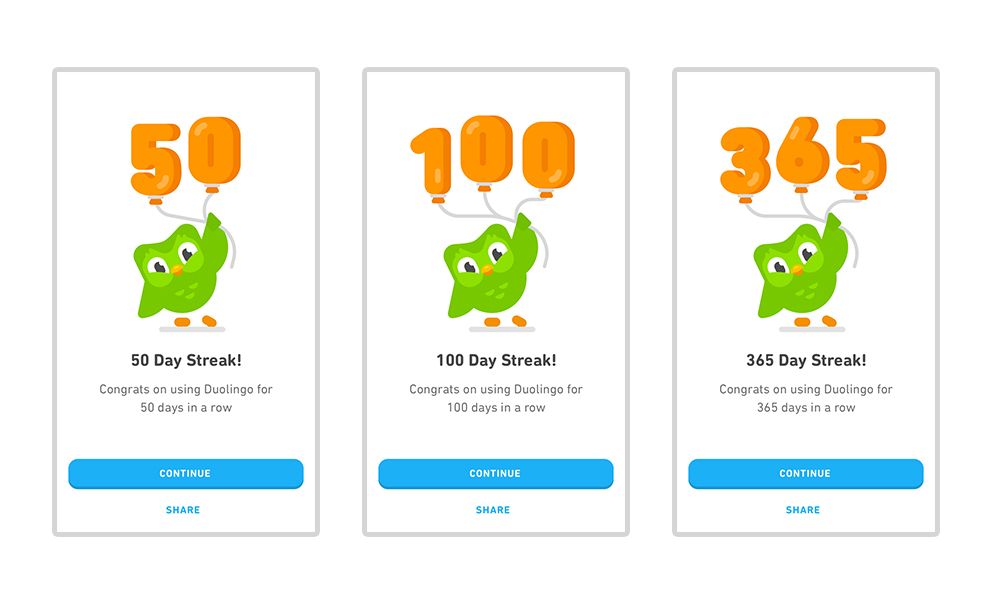
Gamification is used to create addictive and rewarding user experiences. Apps like Duolingo or Apple Watch use progress trackers, rewards, and badges to motivate users to stick with their goals. These features appeal to the desire for achievement and competition. Visual indicators like “streaks” or “percent completed” stimulate users’ desire to continue interacting.
Loss Aversion
Humans are more sensitive to potential losses than equivalent gains. This is a principle known as loss aversion. Because of this sensitivity to losing or missing out, designers often incorporate this bias into subscription services or limited-time promotions. An example of this is free trials using messaging like “Don’t lose access to your content – subscribe now!” to create a sense of urgency. Similarly, emails reminding users about abandoned carts frame incomplete purchases as a missed opportunity, prompting users to return.
Why Behavioral Economics Matters
Behavioral economics provides designers with a toolkit to create not just visually appealing, but deeply effective and engaging experiences. By understanding what makes people tick, designers can build interfaces that align with users’ natural tendencies, helping them make confident decisions.
Incorporating behavioral economics into design helps create a perfect balance between what users need and what businesses aim to achieve. Whether it’s through smart design choices or fun gamification, every decision is intentional, leading to experiences that feel natural and meaningful to users while delivering real results for brands. By understanding how your audience thinks and behaves, design becomes an essential a tool for creating impactful, user-centered solutions that drive success.
Works Cited
Cherry, K. (2023, December 13). How the status quo bias influences the decisions you make. Verywell Mind. https://www.verywellmind.com/status-quo-bias-psychological-definition-4065385
Interaction Design Foundation. (2024, November 26). What are behavioral economics . The Interaction Design Foundation. https://www.interaction-design.org/literature/topics/behavioral-economics?srsltid=AfmBOorem5sCUciBwgK2rBG6rWtAbzFhZp6ydf3IqunMnBVdCFt1JnW_
News, A. (2022, March 11). Gamification in behavioral economics . Increasing awareness and knowledge with our economics newspaper. https://theawarenessnews.com/2021/09/29/gamification-in-behavioral-economics/
Pilat, D., & Krastev, S. (n.d.). Loss aversion. The Decision Lab. https://thedecisionlab.com/biases/loss-aversion
The top 5 behavioural economics principles for designers. Bridgeable. (2024, February 7). https://www.bridgeable.com/ideas/the-top-5-behavioural-economics-principles-for-designers/
 Madison Vale
Leave a comment