
Reading and Writing
Chapter 3
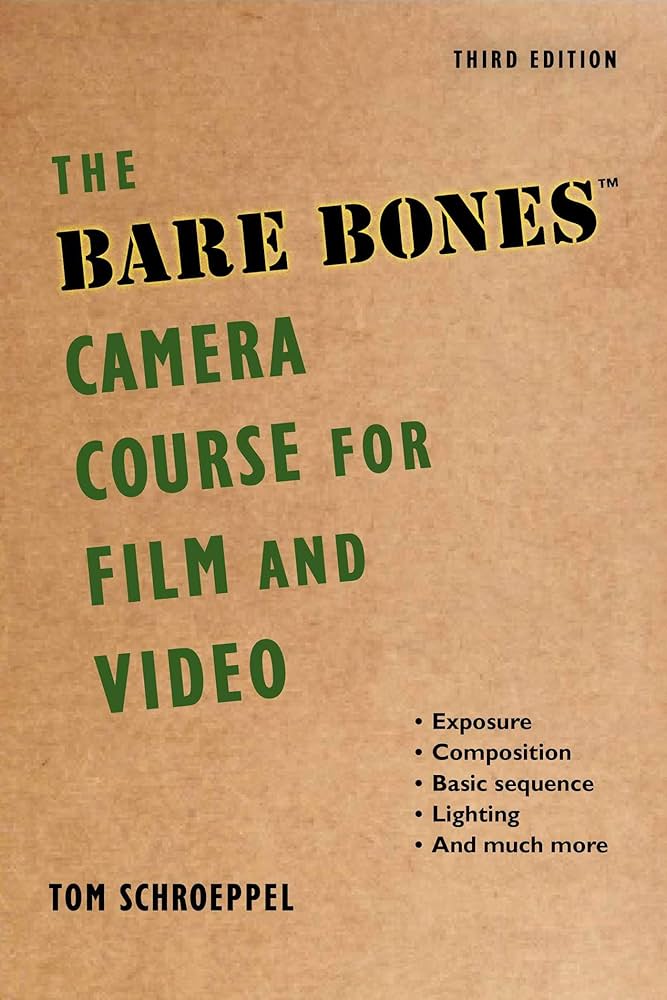
Chapter 3 dives into the basic sequence of shots. By understanding how to combine wide, medium, and close-up shots, we can easily guide audiences through a story.
The sequence typically starts with a wide shot to establish the setting, followed by a medium shot to show action or relationships, and ends with a close-up to capture details or emotions. This progression not only keeps viewers engaged but also provides a logical flow that makes the story easy to follow.
Continuity is also a key factor. Smooth transitions between shots and techniques like matching action help maintain a seamless narrative. When used well, this mix of shots creates a dynamic experience that highlights the big picture while also drawing attention to the smaller details.
Chapter 4
Chapter 4 tackles an essential concept for smooth storytelling: screen direction. This principle ensures that characters, objects, and movement are consistently oriented on screen, helping viewers stay engaged and avoid confusion.
The key idea is to maintain a clear “line of action”, an imaginary line that dictates the direction characters or objects are moving. Crossing this line improperly, known as breaking the 180-degree rule, can make it look like characters or objects have switched places or reversed direction, which disrupts the flow of the scene. To avoid this, it’s important to be mindful of the camera’s position in. relation to the line of action. Proper planning, like sketching out scenes or blocking movements, will help make your filming process easier and keep things consistent.
Research to Inform
Mean Girls – Halloween Party Scene
The Halloween party scene in Mean Girls is a great example of how strong continuity enhances the way we approach storytelling. This scene utilizes consistent screen direction, ensuring that characters and their movements feel natural and easy to follow. By following the 180-degree rule, the relationships between characters are clearly defined, keeping the viewer oriented in the space.
Smooth transitions between wide shots, medium shots, and close-ups guide the audience’s focus. This continuity allows viewers to stay fully immersed in the drama and humor of the moment without getting distracted.
A League of Their Own – Dancing at the Sudsbucket
The Suds Bucket dance scene in A League of Their Own is a prime example of using continuity to capture energy and connection. The filmmakers maintain consistent screen direction, making it easy to track characters as they move across the lively space. The choreography flows naturally (a bonus as a dancer watching this), with each step and spin matching perfectly across cuts, ensuring the dance feels seamless. Wide shots establish the lively environment, while medium and close-up shots highlight individual characters and interactions while they dance, keeping the scene dynamic yet cohesive.
Interstellar – Miller’s Planet
The scene on Miller’s Planet in Interstellar does a great job at using continuity to make a complex narrative clear and engaging. By keeping spatial consistency, viewers are easily able to track the characters’ movements across the rocky terrain and massive incoming tidal wave. The action is matched between shots, maintaining a seamless flow of urgency as they race to escape the wave before it hits. The continuity of time dilation is another key element despite the planet’s slow passage of time compared to Earth, the editing and shot composition make the time differences feel natural.
Create
I filmed my How-To video based on one of my favorite winter drinks, hot chocolate! So follow along with me as I teach you how I make happiness in a cup!
 Madison Vale
Leave a comment