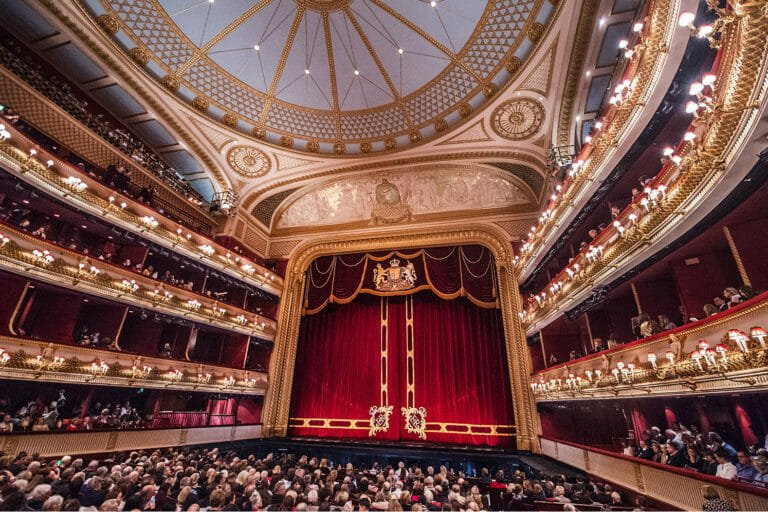
The Royal Ballet and Opera is known for their world-class performances and deep-rooted heritage. With an extensive repertoire that attracts a diverse audience, the brand relies on audience segmentation to reach the right consumers and ensure sustained engagement.
Understanding the Brand’s Target Audience
The Royal Ballet and Opera primarily attracts culture enthusiasts, art lovers, and individuals who value high quality experiences. To better understand the target audience, we can break them down into key groups:
- Demographics: Their audience has a very wide range from school children, to older adults, the ballet and opera is for everyone to see. however, the age range for most performances are closer to 30-65.
- Behaviors: This audience regularly attends live performances and subscribes to premium art content. Many are repeat ticket buyers who also look for exclusive experiences like backstage tours and VIP memberships.
- Interests: Beyond ballet and opera, this audience also tends to enjoy fine arts, classical music, literature, and historical preservation and likely subscribe to art magazines, follow cultural institutions on social media, and participate in philanthropic activities.
- Location: While London serves as the central hub, the audience extends across the UK and internationally, with tourists visiting for high-profile performances.
By segmenting the audience based on these characteristics, the Royal Ballet and Opera can tailor their marketing efforts to reach the most receptive consumers.
The Power of Segmentation
Audience segmentation allows the Royal Ballet and Opera to create more relevant engaging marketing campaigns. Instead of a one-size-fits-all approach, segmentation allows for personalized messaging that resonates with different audience groups.
For instance, younger audiences interested in modern ballet might get ads promoting contemporary productions, while long-time patrons might be targeted with premium membership offers. Geographical segmentation also helps tailor promotions. UK based consumers may see targeted ads for last-minute ticket sales, while international fans might receive content about streaming options.
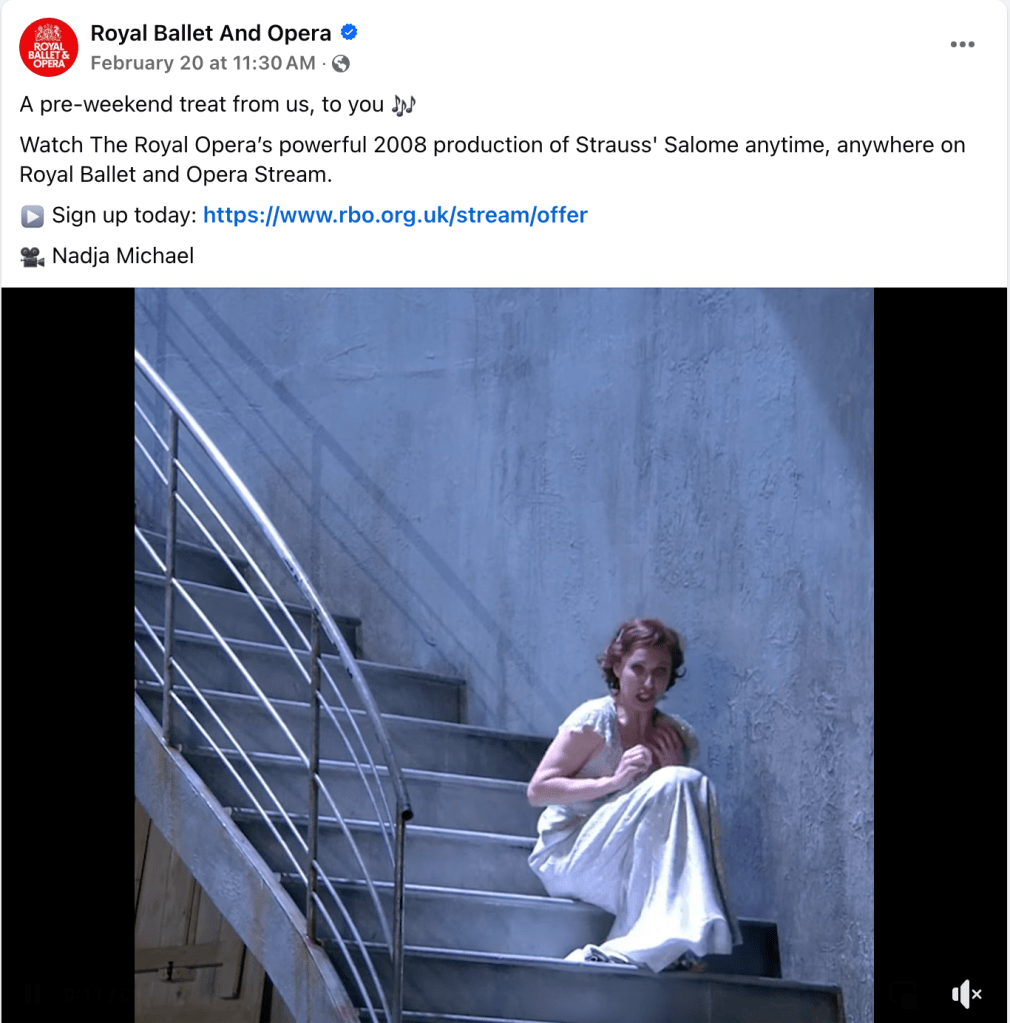
Utilizing Custom Audiences for Retargeting
One of the most effective tools for connecting with past consumers is the use of custom audiences, which use data like website visits, past purchase history, and social media interactions.
Custom audiences play a critical role in retargeting and increasing conversions. If someone abandons their ticket purchase midway, they can be served a reminder ad that encourages them to go through with the purchase.

Expanding Reach with Lookalike Audiences
According to HubSpot, using lookalike audiences go beyond retargeting by reaching audiences that have similar audiences to your regular audience. the Royal Ballet and Opera can expand its audience by creating Lookalike Audiences, essentially finding new potential customers who are just like their current customers.
Potential lookalike audiences for the Royal Ballet and Opera could include people who interact with other ballet companies like American Ballet Theater, New York City Ballet, and other prestigious companies.
By exploring lookalike audiences on Facebook and Instagram, the brand can find new users with similar behaviors and interests to existing attendees.
Royal Opera House’s Successful Segmentation Campaign
The Royal Opera House has successfully implemented segmentation in its paid social media campaigns before by focusing on lookalike audiences and custom audiences. For their ballets, they have been retarget past ticket buyers and run Facebook ads targeting lookalike audiences based on their previous customers.
For brands in the arts and entertainment industry, smart segmentation isn’t just a marketing strategy, it’s the key to a loyal following in a digital world.
 Madison Vale
Leave a comment