
When people first hear the term content strategy, a lot of time they will focus too heavily on the term “content”, assuming it’s related to solely the content you are putting out as in graphics, trends, videos, posts, etc. When in reality, the focus is really on the “strategy” piece. I’m not afraid to admit, I was among the group of people who focused too much on the content piece before learning about the vital role strategy plays in creating an engaging and successful user experience and realized that I’ve been strategizing all along.
First Things First, What IS Content Strategy?
Content strategy is the continuous planning and management of content – like blog posts, videos, and other media, that align with a business’s goals. It’s about knowing who the audience is, what they care about, and how to engage with them in a way that makes sense. A strong content strategy ensures that all content is purposeful, cohesive, and consistent to promote brand awareness and keep customers coming back for more. It covers everything from developing ideas, to sharing content and analyzing the results. In full, making sure that each piece contributes to the overall goal.
What Type of Content Should You Create and Keep?
The content you choose to post should be aimed towards your target audience’s interests, needs, and pain points. First, you have to find what resonates most with your audience. Is it articles? Videos? Or stories? Your content should also align with your brand’s voice and values while providing something valuable to your audience, such as solving a problem or answering a question they might have. It’s important to choose content types and formats that best suit the platform you’re using, whether it’s short posts for social media, in-depth blogs for your website, or visual content like infographics, always prioritize quality over quantity. Ensuring that each piece of content is engaging, relevant, and serves a specific purpose in your overall strategy is key.
How have I Been Addressing This?
I’ve been focusing on creating and keeping content that connects with my audience by first analyzing what topics and formats resonate most with them. By looking at my engagements such as likes, shares, and comments, I have found that people love a good mic’d up/behind the scenes post as well interesting graphics. I also go back and review my existing content, keeping what’s still relevant and valuable while updating or cutting what no longer serves me well.
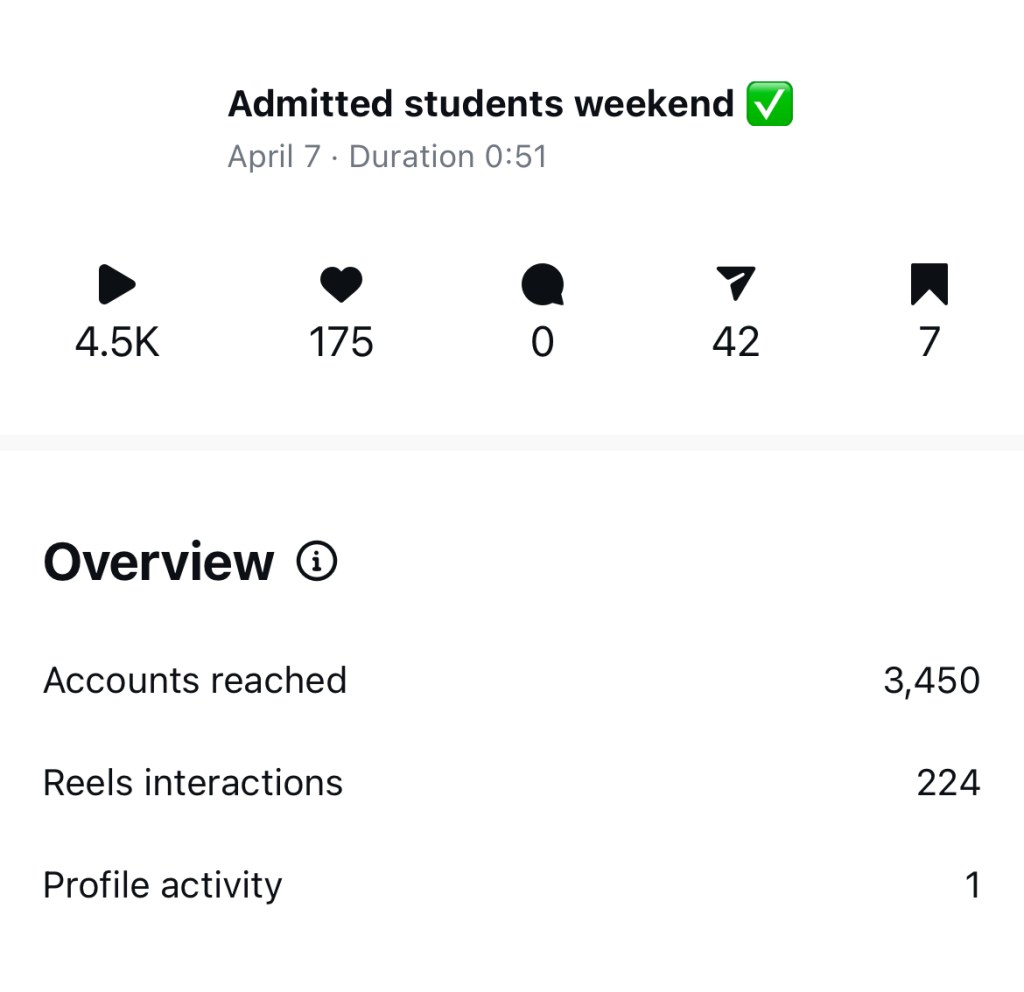

Content Housing Keeping
The beauty of content is that you can take down what no longer serves you. While it feels like once you put it out, the content should stick around forever, it’s normal to weed through your content and remove what no longer helps your plan – this is a crucial piece of content strategy. Strategy is not only looking ahead at the content that needs to be implemented but looking back at what has already been released and what it’s doing for you.
Some reasons you may need to phase out content:
- Search Engine Optimization
- Relevancy
- Distracting/Confusing Content
- Changing Aesthetics
How Have I Cleared Out My Content?
I am glad you asked! I recently went through a total rebranding in the spring as I prepared my final undergraduate portfolio. As I redefined my color pallet, logo, and design choices, I found that the content that I had been collecting on my design Instagram throughout my entire undergrad no longer aligned with the new era of clean design that I was entering. So, I went and sifted through the content that no longer accurately represented me, my brand, or my work. Leaving up my first ever poster design from my first year of design school definitely did not accurately reflect the designer I had become. This then helped me make informed strategic decisions about my content moving forward.
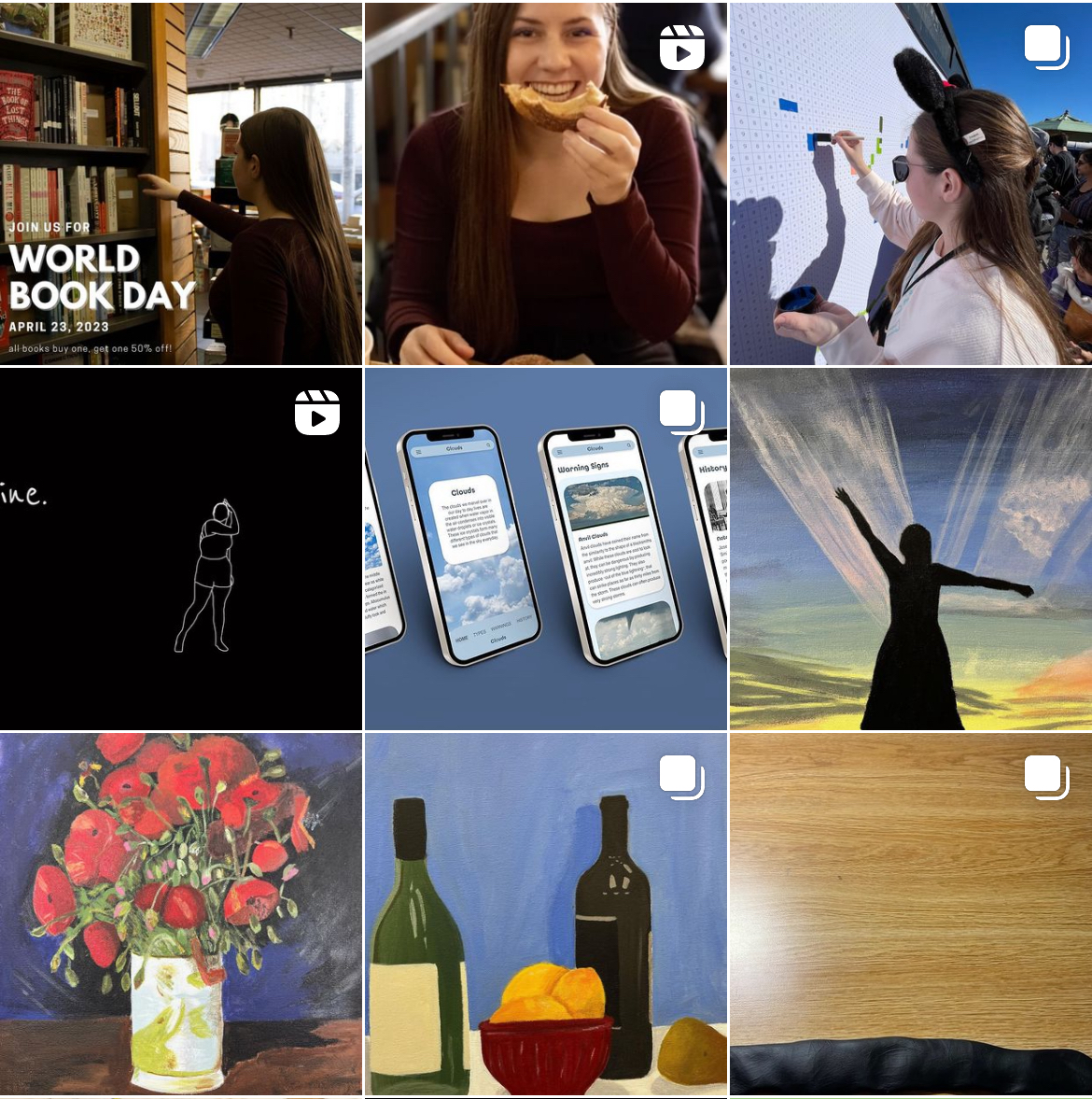

Before and After! (With more posts on the way!)
This is just the tip of the iceberg when it comes to content strategy. Whether I realized I had been doing it or not, developing a strong content strategy involves understanding your audience, selecting content that aligns with their interests and your goals. I’ve focused on implementing content that resonates with my audience paired with keeping my material fresh by weeding through it every once in and while. By prioritizing quality and relevance, and regularly reviewing content to keep it fresh and engaging, I’ve ensured that my social strategy has remained effective in connecting with my audience and driving success.
 Madison Vale
Leave a comment